

X just open-sourced their recommendation algorithm in January 2026. This complete guide breaks down how the For You feed works, what engagement signals matter most, filters that kill your reach, and 10 actionable strategies to optimize your posts for maximum visibility.
Introduction
X just open-sourced part of their recommendation algorithm in January 2026, revealing exactly how the "For You" feed decides what to show you.[1] This isn't just another vague platform update. It's a detailed look at the scoring systems, filters, and ranking mechanisms that determine whether your posts reach thousands or disappear into the void.
If you're writing on X, understanding how this system works is essential. Your posts aren't floating around hoping to get noticed. They're competing in a specific process, and knowing that process helps you write better content.
The X algorithm predicts specific user actions (likes, replies, shares) for each viewer individually. Optimizing for high-value actions like replies and shares matters more than chasing total engagement numbers.
In this guide, we'll cover all the changes and their impact, then provide practical advice on how to write better for the new algorithm.
How the X Algorithm Works: The Basic Pipeline
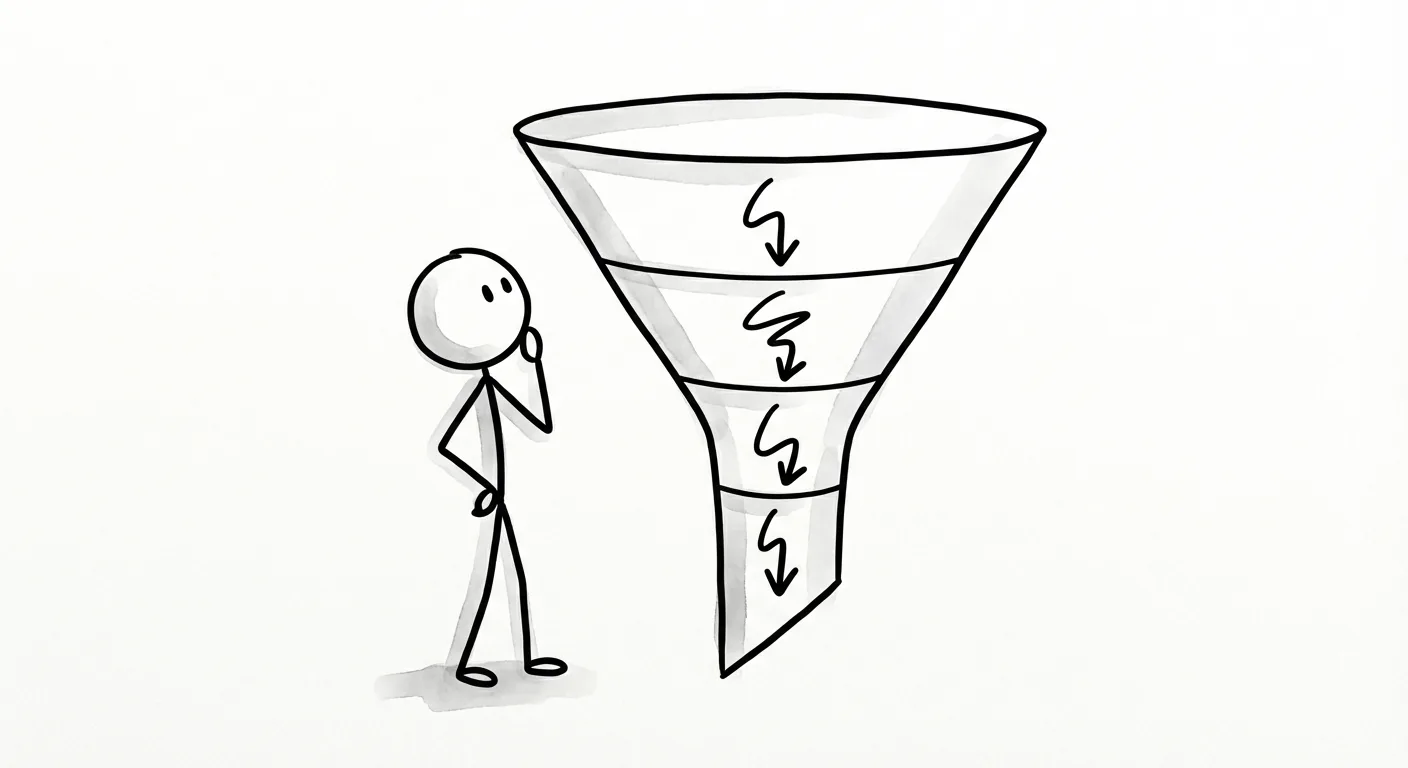
Every time someone opens their "For You" feed, X runs the same process. Understanding this pipeline is crucial because each stage represents an opportunity for your content to either advance or get filtered out.
The Four-Stage Process
- Candidate SourcingThe system gathers potential posts from two places: "In-network" content from accounts you follow, and "Out-of-network" content from accounts you don't follow, discovered through machine learning.
- Feature AdditionThe system fetches additional details about each post, including video duration, engagement numbers, and other metadata needed for ranking decisions.
- FilteringThis is where many posts get eliminated. Blocked accounts, muted keywords, already-seen content, and posts that are too old all get removed before scoring.
- Scoring & SelectionSurviving posts are scored using a neural network with approximately 48 million parameters. The highest-scoring posts make it to your feed.[2]
What the Algorithm Predicts About Your Posts
The algorithm doesn't guess whether your post is "good." It predicts specific actions that each viewer might take. This is a crucial distinction because your post gets a different score for every potential viewer.

Engagement Actions and Their Weights
Based on analysis of X's open-source code, here's what we know about how different actions are weighted:[3]
The algorithm uses a scoring formula that looks something like this:
Score = 0.5 × P(Like) + 1.0 × P(Retweet) + 0.3 × P(Reply) + 0.15 × P(Profile_Click) - 1.5 × P(Report) - 3.0 × P(Block)
Notice the negative weights for adverse actions. X explicitly penalizes content that users actively dislike. A single block or report can significantly damage your post's reach.
Higher-Value Actions
The system also predicts quote tweets, video views, shares (including copying the link or sending via DM), and whether someone will follow you after seeing the post. These are strong signals that your content provides genuine value.
The Filters That Kill Posts Before They Get Scored
Even if your post would score perfectly, it can get filtered out for certain viewers before scoring even happens. Understanding these filters helps you avoid invisible reach killers.

Key Filters to Understand
- Viewer Blocks and Mutes: If someone has blocked or muted you, your posts don't get considered for them at all.
- Muted Keywords: If your post contains a keyword someone has muted, it's filtered out for them. Packing posts with controversial or commonly muted terms can kill reach.
- Already Seen Posts: The system checks for exact duplicates, similar reposts, and posts within the same conversation thread.
- Age Cutoff: Posts older than a certain threshold get filtered out completely. This is a hard cutoff, not a gradual decay.[4]
- Subscription Gates: Subscribers-only content won't be recommended to non-subscribers.
- Visibility Filtering: Policy violations and sensitive content get filtered or downranked.
The first 2 hours are critical. Speed of engagement determines reach more than total engagement. Once your post ages past the algorithm's threshold, it stops being eligible for most feeds.
In-Network vs Out-of-Network Content
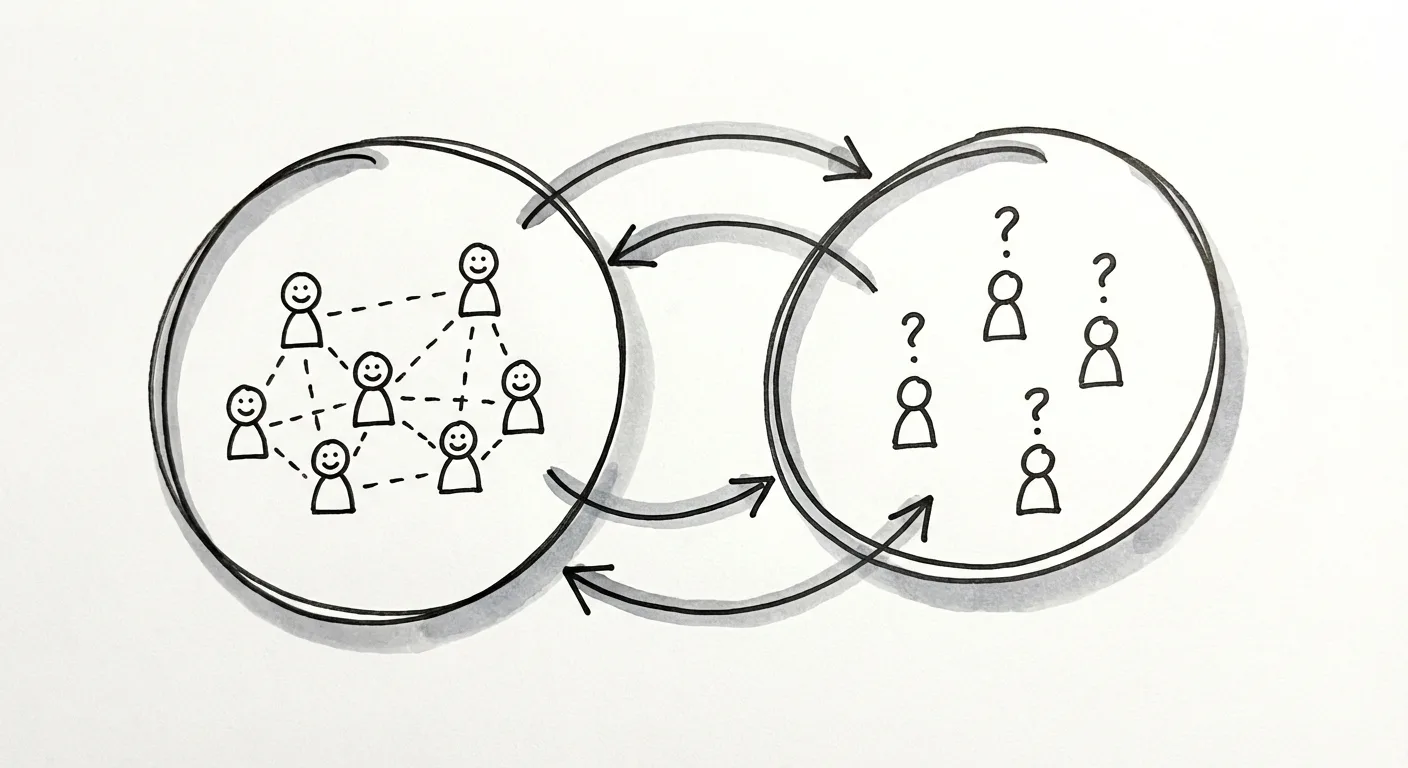
The feed blends two types of content, and they're treated differently. Understanding this distinction is crucial for your content strategy.
In-Network Content
These are posts from accounts someone follows. They're retrieved from a post store tracking recent content. If you have followers who regularly engage with you, you start with a built-in advantage for reaching them.
The most important component for in-network ranking is the Real Graph model, which predicts engagement likelihood between two users. The higher this score between you and someone who follows you, the more of your posts they'll see.
Out-of-Network Content
These are posts from accounts the viewer doesn't follow, discovered through machine learning. The system tries to match posts based on topic, engagement patterns, and semantic meaning.
X uses SimClusters, which discovers communities anchored by influential users. If your content resonates with a specific community, you have a better chance of reaching non-followers who share those interests.
Author Diversity Scoring
Even if you post amazing content, the algorithm limits how often you appear in any single feed refresh. This "within-response diversity" means your posts compete against your own previous posts, not just other creators.
What We Don't Know (and Why It Matters)
The open source release explicitly excluded some critical pieces:
- Exact weights are missing: We know the system combines predicted actions, but exact multipliers aren't confirmed.
- Thresholds are hidden: The exact age cutoff, top selection count, and other key settings aren't public.
- Model weights not included: The architecture is public but the trained weights that make predictions aren't.
- Some services excluded: Model serving, caching, and additional features aren't in the public code.
This means everything we recommend should be treated as informed best practices, not guaranteed formulas.
10 Strategies to Optimize for the X Algorithm
Now that you understand how the system works, here's how to write content that performs.

Posts that don't get early engagement age out within hours. The best times are 9 AM to 12 PM, especially Tuesday through Thursday.[5]
These high-effort actions likely count more than likes. Ask questions, prompt specific responses, and create shareable value.
The system needs to match your post to interested viewers. Lead with your topic in the first line so semantic matching works in your favor.
Rage bait and spam patterns get filtered for large portions of viewers. Controversial terms hurt more than they help.
In-network content gets prioritized. Build strong relationships with current followers to boost your Real Graph score.
Author diversity limits mean posting back-to-back reduces per-post reach. Give each post time to perform.
If it needs context from previous tweets, it's harder to share and match to new viewers.
"What's your take?" or "Would you rather A or B?" prompts specific actions that boost engagement signals.
Duplicate detection systems catch repeated content and limit reach. Approach topics from different angles instead.
The algorithm looks for high-quality content. Text posts still receive 30% more engagement than video, contrary to popular belief.
Practical Writing Tips for the New Algorithm
Write for Specific Actions
Your post isn't just competing for views. It's competing on predicted engagement. Make it obvious what action someone should take:
- Ask clear questions: Questions naturally invite replies. Don't make them rhetorical.
- Prompt specific responses: A strong stance with reasoning makes people want to agree, disagree, or add nuance.
- Use two-option framing: "Would you rather A or B?" gets more replies than open-ended questions.
- End with an invitation: "What's your experience with this?" explicitly tells people to engage.
Understand the Time Window
Your post has a limited window to prove itself:
- Early engagement drives everything. If your post doesn't get traction in the first hour or few hours, it ages out.
- Don't expect late success. Starting a new conversation usually beats hoping an old one revives.
- Use scheduling tools to post at optimal times when you can't be online.
Handle Threads Strategically
- The first post needs to hook. If your thread starter doesn't perform, the rest won't get distribution.
- Each reply in a thread is a separate candidate. Make each tweet valuable enough to stand alone.
- The system picks the "best branch" of a conversation to promote.
What Not to Do
Some things are actively counterproductive:
- Don't pack posts with trending keywords just because they're trending. If those keywords are commonly muted, you're filtering yourself out.
- Don't spam the same content repeatedly. Duplicate detection exists specifically to prevent this.
- Don't expect subscription content to get broad reach. The filter is explicit.
- Don't post important content when your audience isn't around. Timing matters because of the age cutoff.
- Don't chase negative engagement. Blocks and reports actively hurt your score.
Frequently Asked Questions
How often does the X algorithm update?
X has stated they will update the public code roughly every four weeks. The underlying models and weights may change more frequently, but major architecture changes happen monthly.
Do hashtags still matter for the X algorithm?
The optimal number is 1-2 hashtags per post. Using more than three actually decreases engagement. Trending hashtags get 2-5% engagement versus 0.1-0.5% for branded hashtags.
Is video better than text for the algorithm?
Surprisingly, text posts still receive 30% more engagement than video posts. The algorithm evaluates content type differently, but text remains highly effective.
How long do posts remain eligible for the For You feed?
While the exact cutoff isn't public, posts typically have a window of a few hours to gain traction. After this period, they're largely filtered out of For You recommendations.
Does X Premium help with algorithm reach?
Premium accounts see better reach on link posts compared to free accounts. Since March 2026, non-Premium accounts posting links receive essentially zero median engagement in the algorithm.
Conclusion
The X algorithm is ultimately designed to serve high-quality content to the right people. Your job is to make it easy for the system to match your posts with interested viewers, predict high engagement, and survive filtering.
Focus on clarity of communication and writing to provide value. When you create content that genuinely helps or entertains your audience, the algorithm becomes your ally rather than your obstacle.
The key principles are simple: post when your audience is active, write for replies and shares not just likes, make your topic obvious, and serve your existing followers well. Do these consistently, and the algorithm will help your content reach the right people.
Sources & Further Reading
- xAI GitHub - X Algorithm Repository Official open-source release of X's recommendation algorithm, January 2026
- TechCrunch - Twitter Reveals Recommendation Algorithm Source Code Coverage of Twitter's algorithm open-source release and neural network architecture
- Social Media Today - X Algorithm Ranking Factors Analysis of engagement weights and scoring mechanisms
- SocialBee - Understanding the X Algorithm in 2026 Comprehensive guide to algorithm timing and filters
- SocialPilot - Best Time to Post on Twitter/X in 2026 Data from 50,000+ Twitter accounts on optimal posting times
Ready to Master the X Algorithm?
Use xAIcreator to schedule posts at optimal times, generate engaging content with AI, and track your performance with detailed analytics.
Yee is the founder of XAICreator, an AI-powered social media marketing platform. He specializes in building tools that help creators and marketers grow their presence on X (Twitter).
With expertise in AI, SEO, and content marketing, Yee has helped hundreds of users optimize their social media strategy and increase engagement through data-driven insights.